

Predicting euploidy without touching the embryo: an undergraduate thesis brings machine learning to IVF
Maria Eduarda dos Santos Abritta Ferreira and Sabrina Caldas Berno defended at FCTE/UnB an undergraduate thesis applying machine learning to the non-invasive prediction of euploidy in human embryos, based on morphokinetic data.
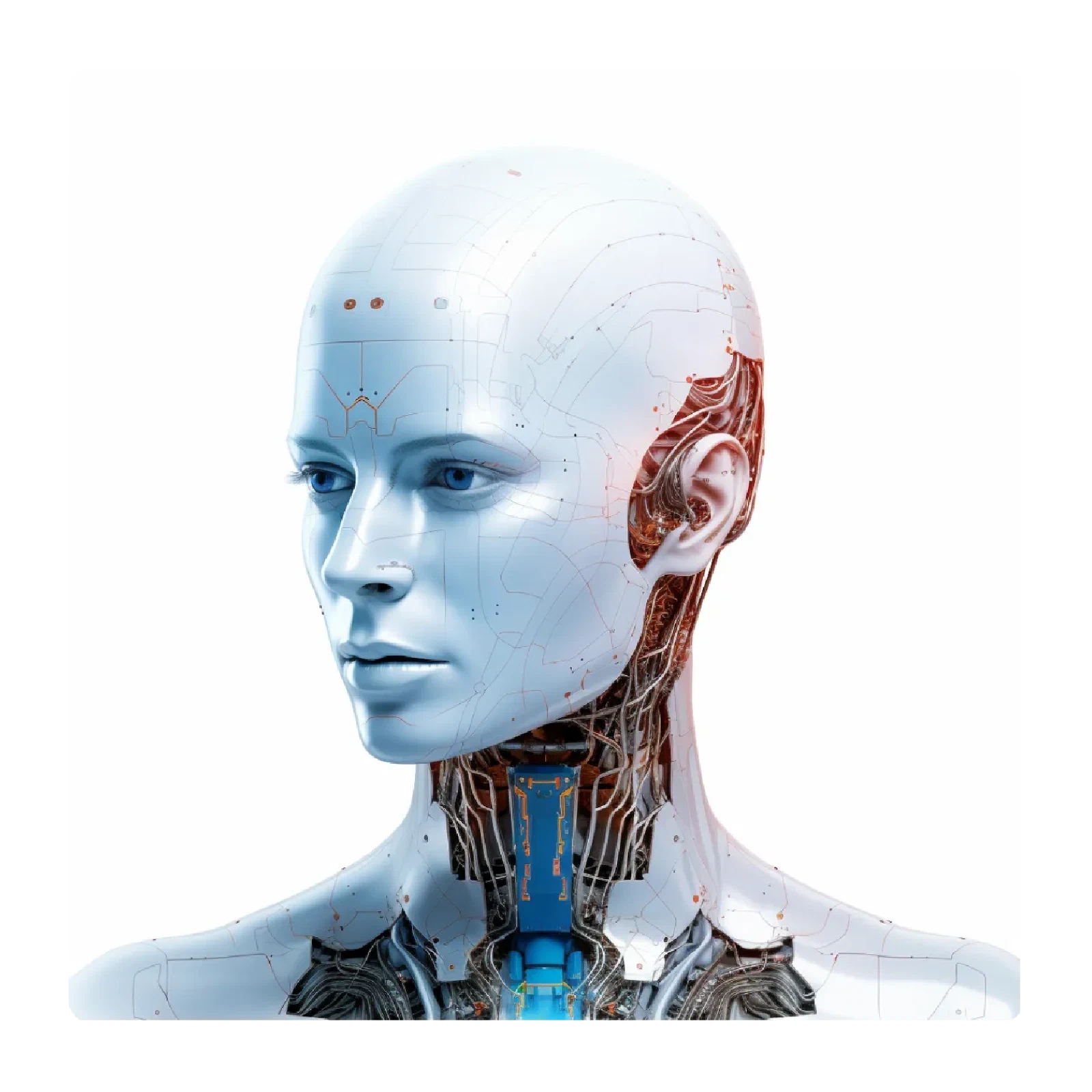
Brasília, July 17, 2025
Selecting viable embryos is one of the most critical steps of in vitro fertilization — and one where every invasive intervention carries a biological cost. The duo Maria Eduarda dos Santos Abritta Ferreira and Sabrina Caldas Berno took on this challenge in the undergraduate thesis defended in July 2025, under the advising of Prof. George Marsicano Corrêa .
The work investigates whether morphokinetic data — the evolution of cell divisions captured by time-lapse systems — carry enough signal to predict euploidy without requiring biopsy. The question is at once clinical and computational: IVF needs evidence-supported decisions, and the available evidence lives in temporal images that only systematic analysis can turn into prediction.
By applying machine learning to a specific biomedical problem, the thesis contributes to a frontier where clinicians and computer scientists still develop shared vocabulary. It is a work of interest to reproductive-assistance labs in the country — and to researchers willing to cross disciplines in order to treat decisions of high human impact with more rigor.
The full text — written in Portuguese — is available at the UnB Undergraduate Theses Digital Library.
About CEDIS: The Center for Studies, Development, and Innovation in Software (CEDIS), linked to the University of Brasília, researches and develops innovative software solutions.